Clear Coat Restored to Factory-Level Clarity
Paint Correction in Newburg for vehicles with swirl marks, oxidation, or diminished paint depth from improper washing
Swirl marks form when abrasive particles are dragged across clear coat during washing or drying, creating microscopic scratches that scatter light and reduce gloss. Oxidation occurs when UV exposure breaks down the clear coat's chemical structure, leaving a hazy or chalky appearance. Water spots etch into the surface when mineral deposits are left to dry repeatedly in the same location. Armani's Limo Services and Mobile Detailing offers paint correction in Newburg and the Tri-state area, using machine polishing to remove these defects and restore paint clarity on luxury vehicles, collector cars, SUVs, trucks, and daily drivers where appearance affects value or pride of ownership.
Paint correction involves multiple stages of machine polishing with progressively finer abrasive compounds. A cutting compound removes the damaged layer of clear coat where scratches and oxidation reside, followed by a refining polish that eliminates haze left by the cutting stage. A finishing polish restores gloss and depth, creating a surface that reflects light uniformly without distortion. The process requires controlled pressure, speed, and pad selection to avoid burning through the clear coat or creating new defects.
Schedule a paint evaluation to assess clear coat condition and receive a detailed correction estimate.
What Paint Correction Actually Accomplishes
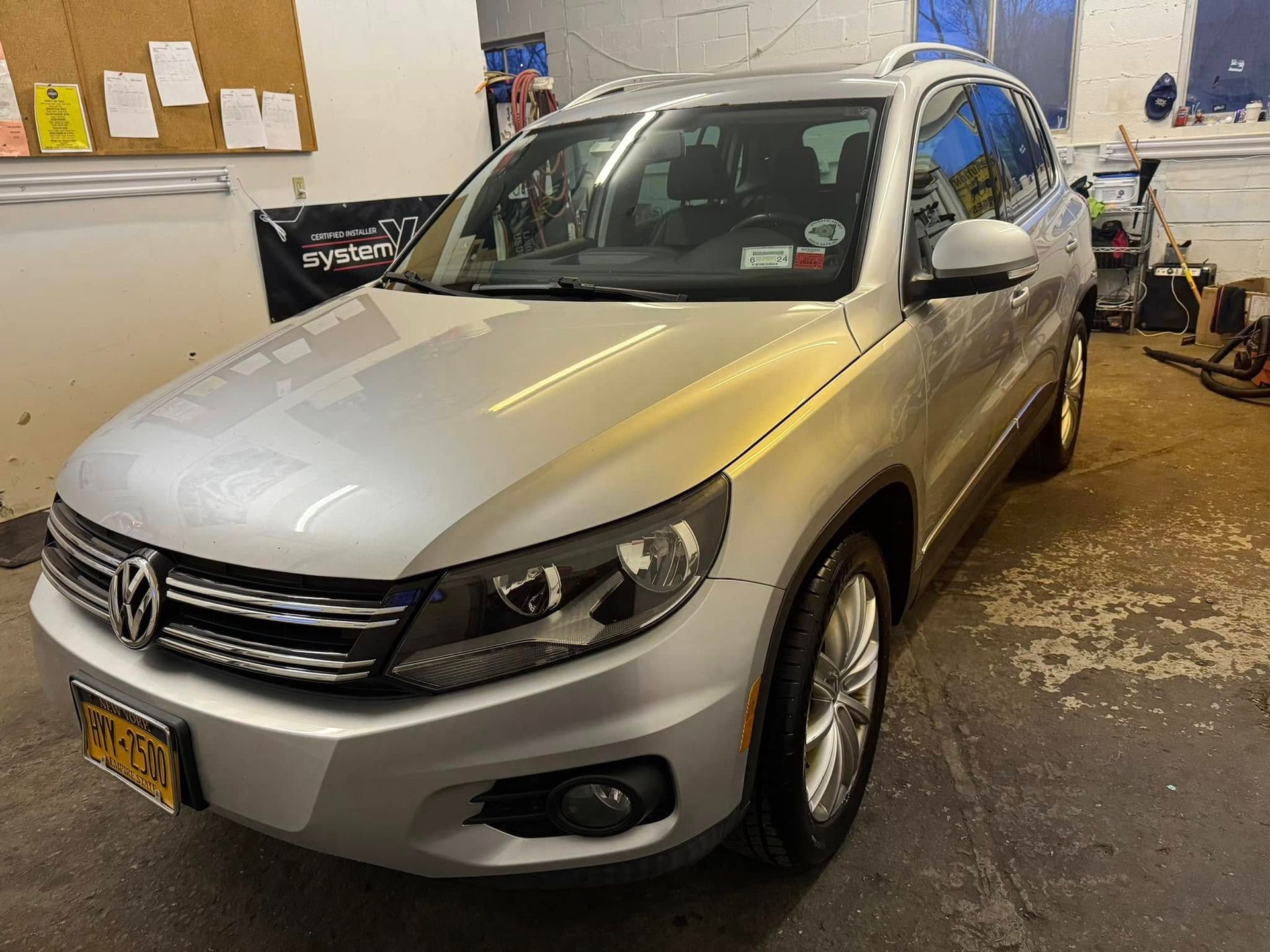
Paint correction removes defects by leveling the clear coat to the depth of the deepest scratch or imperfection. Swirl marks disappear because the surrounding clear coat is polished down to match the base of each scratch, eliminating the height difference that causes light to scatter. Oxidation is cut away to expose the undamaged clear coat underneath, restoring the paint's original color saturation and gloss. Water spot etching is smoothed out when the raised mineral deposits and the recessed areas around them are leveled through controlled abrasion.
After correction is finished, paint surfaces appear deeper in color and reflect images with sharp clarity rather than blurred or distorted outlines. Swirls that were visible under direct sunlight or fluorescent lighting are no longer detectable, and panels show consistent gloss across their entire surface. Dark-colored vehicles see the most dramatic improvement because defects that scatter light are more visible against black, navy, or deep red paint. The corrected surface provides an ideal foundation for ceramic coating application, which locks in the restored clarity permanently.
Paint correction is limited by the remaining clear coat thickness, measured with a depth gauge before work begins. Panels with insufficient clear coat cannot be corrected without risking burn-through to the base coat. Deep scratches that penetrate through the clear coat into the color layer require touch-up paint or refinishing rather than polishing. Correction does not remove dents, dings, or structural damage, which require body shop repair before polishing can address surface-level defects.
Questions Before Starting Your Project
These answers clarify what paint correction involves and how it differs from standard detailing or cosmetic fixes.
What causes swirl marks to appear even on vehicles that are hand-washed regularly?
Swirls form when dirt particles trapped in wash mitts, towels, or drying cloths are dragged across the paint, acting as abrasives that create thousands of micro-scratches visible under direct light as circular patterns radiating from a central point.
How much clear coat is removed during a multi-stage paint correction?
A typical multi-stage correction removes two to four microns of clear coat, depending on defect severity, while factory clear coat thickness ranges from 40 to 100 microns, leaving sufficient material for future correction if needed.
Why is paint correction considered essential preparation before ceramic coating?
Ceramic coatings magnify and lock in the existing surface condition, so any swirls, scratches, or oxidation present at application become permanent features that cannot be corrected without removing the coating first.
When should paint correction be performed on vehicles in the Tri-state area?
Scheduling correction before ceramic coating application maximizes long-term paint protection, while scheduling after winter addresses salt residue and oxidation that accumulate during months of harsh weather exposure.
What types of vehicles benefit most from professional paint correction?
Luxury vehicles where paint condition affects resale value, collector cars requiring show-quality finish, dark-colored vehicles that reveal every defect, and daily drivers with years of accumulated swirls all see immediate improvement in gloss and clarity.
Armani's Limo Services and Mobile Detailing measures clear coat thickness, evaluates defect severity, and completes all stages of machine polishing to restore factory-level clarity. Arrange a paint inspection to determine correction requirements and discuss options for your vehicle.